We want to create the biggest online listing collection of Bunkers around the world!
Please add you short stay bunker rentals now.
Bunkers are concrete structures that can protect us from the harshest conditios. However, when taking another approach a bunker kan offer you a truly unique vacation experience ! Sleep a night underground and experience the safety and luxury of a former bunker.
0 Bunkers found
List your bunker on this page?
Add linkStaying in a bunker: an honest guide to sleeping underground
Heavy steel doors, concrete walls thick enough to stop a shell, a staircase leading down into silence. Bunkers were built for the worst moments in human history, as places to defend a coastline, command troops or survive a war that thankfully never came. Today, a small number of these structures have been carefully converted into places to stay, and a night inside one is unlike any other kind of accommodation.
It is also an experience that is not for everyone. This guide explains where these stays come from, what daily life underground is really like, who will love it and who might not, and what to ask the owner before you book one of the bunkers listed on this page.
A short look at the history
Military and civil defence structures have been built in many countries over the last century. Along coastlines on several continents, concrete gun positions, observation posts and shelters were built during the Second World War to guard harbours and beaches. During the Cold War, governments and private citizens alike built command centres, communication posts and fallout shelters designed to protect people from nuclear attack. Switzerland is well known for its tradition of civil defence shelters, and Albania is famous for the many small concrete bunkers that still dot its landscape.
Once their original purpose disappeared, many of these structures were abandoned, demolished or sealed. Some have been turned into museums, and a few have been adapted by owners who wanted to give them a new life as unusual places to sleep. When you stay in one, you are a guest in a building that was made with fear and seriousness in mind. Most owners treat that past with care, and guests are asked to do the same.
The different kinds of bunker stays
- Coastal defence bunkers are often partly above ground, with a gun slit or observation opening that now frames a sea view. They tend to be the brightest and least enclosed option.
- Cold War shelters and command posts are usually deeper underground, with long corridors, blast doors and several rooms. They feel the most like stepping into a film set.
- Private fallout shelters are smaller spaces built beneath homes or gardens, sometimes converted into a compact room for one or two guests.
- Earth-covered and hillside shelters are dug into slopes or covered with soil and grass, so they can feel cosy and hidden rather than grim.
Some conversions are raw and minimal, with the original concrete, pipes and signage left visible. Others are fully renovated with modern bathrooms, soft lighting and underfloor heating, so that only the doors and walls remind you where you are. Photos usually show clearly which style you are dealing with.
Life below ground: what it really feels like
The practical side of a bunker stay is what separates a great night from an uncomfortable one. These are the points to think about.
Light. Many bunkers have no windows at all, or only narrow slits. Without daylight, it is easy to lose track of time, and you may sleep far longer than planned. Set an alarm if you have plans the next morning. Some guests love the total darkness; others find it unsettling.
Air and ventilation. Good conversions have a working ventilation system, sometimes the original one restored, sometimes a modern replacement. Ask how fresh air reaches the rooms and whether the system makes any noise at night.
Humidity. Concrete underground can hold moisture. A well-run bunker uses dehumidifiers and heating to keep the air dry, but bedding and clothes can still feel slightly damp in older or rougher conversions.
Temperature. Deep underground, the temperature stays fairly stable all year. That can feel pleasantly cool in a hot summer and surprisingly mild in winter, but an unheated bunker can be chilly at any time. Keep in mind that summer and winter are reversed in the Southern Hemisphere when you plan your trip.
Mobile signal. Thick reinforced concrete and soil block signal very effectively. Expect little or no mobile reception inside unless the owner has installed Wi-Fi. Let people know before you go if they may need to reach you.
Access. Getting in often means steep stairs, ladders, narrow passages or a heavy hatch. This can be difficult with large suitcases, small children or anyone with limited mobility. Pack light, in a soft bag if possible.
Is a bunker right for you?
A bunker stay suits curious travellers, history enthusiasts, people who want a truly quiet night and anyone looking for a story to tell. The silence underground can be remarkable, and many guests sleep deeply.
It may not suit people who are prone to claustrophobia or who feel uneasy without a window. If you are unsure, choose a coastal bunker with openings to the outside, or a larger shelter with several rooms rather than a single small chamber. Be honest with yourself: there is no shame in preferring daylight. Safety matters too, so a responsible owner should be able to explain the emergency exits, smoke detection and what happens in a power cut.
Questions to ask before you book
- Is the bunker fully underground, partly underground or at ground level, and are there any windows?
- How is the space ventilated, and how is humidity kept under control?
- How is it heated, and what temperature can we expect during our stay?
- Is there mobile signal or Wi-Fi inside?
- How do we get in: stairs, ladders or a hatch, and how steep are they?
- Where are the emergency exits, and are there smoke detectors and emergency lighting?
- Is the bathroom inside the bunker, or in a separate building?
- Is the bunker suitable for children, and are pets allowed?
- Can the owner tell us about the history of the site, or is there information on hand?
Tips for a good night underground
- Bring a small torch or headlamp, even if the bunker has good lighting.
- Pack an extra warm layer and slippers or thick socks for concrete floors.
- Download maps, music and anything else you need before you arrive.
- Step outside now and then during the day, especially if you are staying more than one night.
- Respect any original features, markings or equipment that the owner has preserved.
- Learn a little about the history of the region before you go; it makes the walls speak.
Find a bunker in this collection
The bunkers on this page are grouped by continent, country and region. Each link takes you to the owner's own website, where you can look at photos, read the details, check availability and book directly. Do you run a converted bunker, shelter or underground stay that welcomes guests? Add your link to the collection for free with the button above.
Looking for an awesome place to spend your holiday?
Or want to advertise your houseboat, lighthouse, treehouse or glamping?
Check these links below!
Blog posts
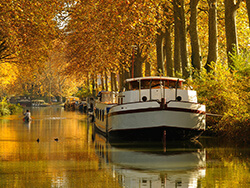
Barge river cruises in France
River cruises in France are the next luxury holiday destination. Cruise your private barge with cook down the French rivers.
Read more..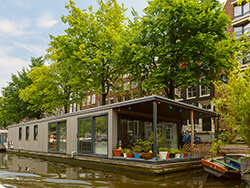
Rent a houseboat in Amsterdam
A houseboat is a great place to stay when visiting Amsterdam. Stay close to the city center but have a lot of private space.
Read more..